Landlords Are the Partners Your Small Business Needs
Landlords Are the Partners Your Small Business Needs
If a landlord says yes, you could end up running a Wi-Fi hotspot for a whole compound. So if you're serious about making it happen, find out what matters most to the landlord, figure out how to pitch the idea well, and plan your next steps once they agree.
Guides
Contributor By:
Kamau
01 Nov,2026, 14:48
If you want to sell Wi-Fi in an estate, start with the person who has the keys to the gate. One “yes” from them could open the door to a whole compound. Try getting that same yes from 100 tenants, one at a time, and it could take months.
The landlord controls the roof, electricity, compound, and list of tenants. You’ll need access to all four to set up a hotspot. So your first agreement will often be with someone who isn’t your customer but can say, “Sure, you can put it there.”
What a landlord can offer
To run a hotspot in a block of rented rooms, you’ll need somewhere high to place your access point. If it’s at head height, walls may block the signal. You’ll also need reliable electricity, a secure place for your equipment, and people nearby who might pay for the service.
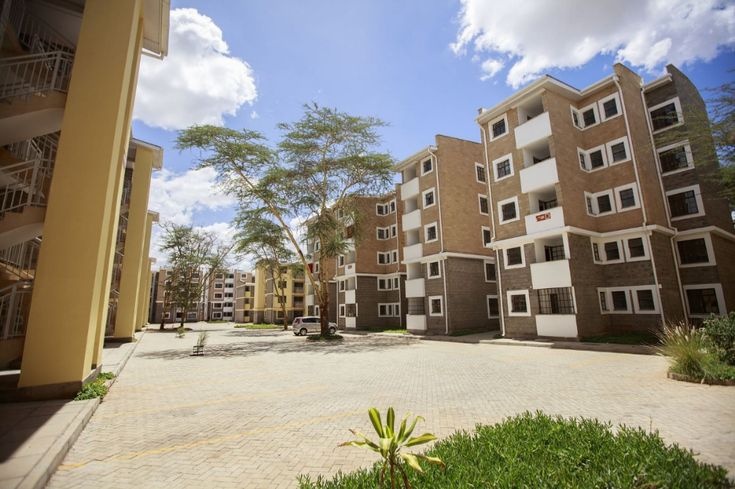
A landlord can often help with all of that: a roof or high wall, power for your router and access point, a caretaker or watchman to keep an eye on your gear, and a group of people living nearby. These aren’t just passersby. They come home every night, giving you a steady pool of potential customers. A busy market might have more people at any given moment, but most are just passing through. A compound with 30 rooms might have fewer people overall, but they’re there night after night.
There is also the trust factor. If a stranger knocks and says, “I sell Wi-Fi,” people may be wary. But if the landlord says, “There’s Wi-Fi in the compound. It’s provided by someone I know, and they sort out problems quickly,” tenants may be more willing to give it a try. That kind of introduction is more valuable than a sign, and flyers can’t buy it.
A landlord isn’t always your best option. A barber shop might have people hanging around, and a market can draw a crowd. But if you’re starting a small hotspot and need regular customers and a secure place to set up, a landlord with a full building is a good place to begin.
What landlords care about
Every landlord is different, but many want extra income without extra work, happy tenants who stick around, and rooms that are easier to rent when someone moves out. Good internet can help attract tenants, and fewer complaints about bad connections can make life easier. They’ll also want the compound to stay neat, without cables running along every wall.
One option is to offer the landlord a share of the sales from their compound. That way, you both benefit when business is good.
You could also offer a fixed payment. It’s straightforward, but you’ll have to pay even when business is slow, so keep the amount low and the agreement short. In a smaller compound, free Wi-Fi for the landlord and caretaker might be enough.
Some landlords may want to include Wi-Fi in the rent. Be careful with that. Tenants should still have a choice. Otherwise, one unhappy tenant could sour the whole deal.
Keep the agreement simple and fit it on one page, in clear English or Swahili. Spell out what you’ll install and where, who owns the equipment, who pays for electricity, how much you’ll pay the landlord and when, who to contact, how quickly you’ll fix problems, and how either side can end the agreement with notice.
Make sure the deal isn’t exclusive. Some countries have rules against exclusive agreements with landlords. Even where they don’t, tenants usually don’t like being forced to use one provider. A landlord who lets you in without shutting out other options is easier to work with, and tenants who choose your service are more likely to be happy with it.
Explain the deal in terms the landlord cares about: “Your tenants get reliable Wi-Fi, you earn a share of what they spend, and I handle the problems.”
What could potentially go wrong?
A lot of trouble starts when nothing is written down. The landlord sells the property, and the new owner has no idea who you are. Renovations damage your cables. A caretaker who was fine with you being there moves on, and the next person switches off your router to save power. Tenants think the landlord is charging them extra and take it up with you. The landlord starts changing the settings or prices, or you end up arguing about the electricity bill.
A written agreement can help avoid many of these headaches. Say clearly that the equipment belongs to you and that nobody else can move or handle it. Explain how you’ll get it back if the deal ends, and include a main contact person and a backup. Agree on what happens if the property is sold. The new owner should either keep the agreement in place or let you leave. Get the owner’s approval in writing. If you’re working through a caretaker or agent, get their approval in writing too, but make sure they actually have the authority to approve the deal. Also agree upfront on who pays for repairs.
Be careful with tenants’ data. Phone numbers and internet usage are private information, so keep that data with you. Don’t share it with the landlord or caretaker, and follow Kenya’s data protection laws. If they ask who’s using the Wi-Fi or what people are doing online, politely explain that you can’t share that. Keep billing between you and your customers so everyone knows how the arrangement works.
And don’t sign up for too many small deals at once. Every landlord means another agreement, more contacts, and more problems to sort out. Ten properties can quickly become a lot to manage.
Find the right landlord
Look for buildings with long-term residents and a steady flow of new tenants. A busy compound with lots of rooms, high occupancy, and tenants who already pay for data could be a good fit. A half-empty building, or one where tenants move out every few months, may be harder to work with.
Landlords who live on the property or visit often are usually easier to deal with than those who leave everything to an agent. Visit when the area is busy, talk to the caretaker, and ask tenants how they feel about their internet. If people are unhappy with what they have, you may be able to help.
Keep it simple
Start with a one-page agreement and a short trial. Offer the landlord and caretaker free Wi-Fi, promise to fix problems quickly, and begin with one compound. Keep track of how many tenants sign up, how many leave, how many complaints you get, and whether the landlord is happy.
A happy landlord can help bring in your next customers. Landlords know other landlords, and agents and caretakers talk to each other, so one good property could lead to another. Treat your first landlord like a long-term partner. Send a quick update each month, sort out problems promptly, and pay their share when you say you will.
Start earning today with Noch Wired
Popular Posts