Working With Barber Shops as Hotspot Hosts
Working With Barber Shops as Hotspot Hosts
You have a room with people sitting down, doing nothing for half an hour. Nearly everyone will have their phones in their hands. This means you can easily sell your Wi-Fi.
Guides
Contributor By:
Kamau
29 Oct,2026, 9:08
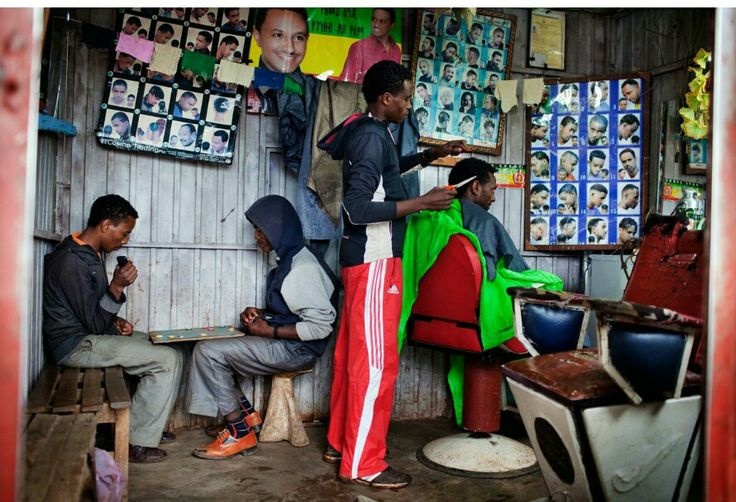
Barber shops are great places to sell your Wi-Fi.
You have a room with people sitting down doing nothing for half an hour. Nearly everyone will have their phones in their hands. This means you can easily sell your Wi-Fi.
The owner owns the perfect place for you to sell your Wi-Fi. The problem is that it isn’t your shop. When scaling by using hotspots in other people's shops, you are entering into a partnership. If you do this correctly, the partner will be happy and paid on time, there will be no arguments about how much they are earning, and you won’t have to worry about fixing their router.
If they aren’t happy, they will usually be the ones who were promised a lot but didn’t get much information.
Choosing your host
The best host will be a shop where people will sit for long periods of time. Even if a kiosk gets 100 customers a day, they may not sell much because they are only there for 30 seconds. Whereas a barber shop may get 12 customers, but they will sit for 20-40 mins. They will also come in every few weeks and have their phone out.
Salons and braiding shops are great, as they are similar. Often they will be better, as people can take hours to do their hairdo. Eateries and small restaurants will also have people sitting for the duration of their meal. Phone repair shops, tailors, car washes, and waiting rooms will also have people sitting for long periods of time.
Quick stops, Mama Mboga's, and airtime kiosks will have lots of people coming and going, so they aren’t as good.
In Kenya a previous project was done by Surf Kenya using Facebook’s Express Wi-Fi. They had hotspots in hair salons, restaurants, and shops. Local retailers were selling the Wi-Fi. This is a good indication that it will work, but it doesn’t guarantee that your town will act the same.
Before approaching any owner, you should try the location. Go during their busiest time and count how many people are sitting down and for how long.
Are there sockets available? Will you be able to attach an access point somewhere safe and high? Will any walls or metal sheets interfere with your signal? If the owner is punctual, keeps their shop clean, and replies to messages, they will likely take care of your equipment. If they’re difficult to get hold of now, they will be impossible when your router goes wrong.
Know what your host wants. Most will want extra income and free Wi-Fi for themselves or staff and encourage people to stay longer or just not have any issues. Know from them what they want most and tailor your offer.
Decide on how you will pay your host
There are a couple of common ways to pay your host:
Revenue share
The host will get a percentage of what you sell at their shop.
Fixed rent
The host will get a set amount every month.
Agent
The host will sell your vouchers for you for a percentage. Often they won’t have any equipment in their shop.
Free Wi-Fi
The host will get free internet in return for the space. The percentages will vary depending on the business and country. Some projects elsewhere have given their partners around 30% of sales. So a good starting point would be to negotiate between 10 and 30%.
Let’s do an example.
Say you have a barber shop that sells 12 passes a day. The average price is KES35. This is KES420 a day. KES12,600 a month. If you give the host 20% of this, you’ll pay them KES 2,520. You will be left with KES10,080. The costs for the site are KES30,000 for the equipment. Then every month you will have KES4,000 for internet to the site, KES800 for the cost of your portion of billing, and KES800 for fixing. This totals KES 5,600. So you will be making around KES4,480 a month. The equipment will pay for itself in around seven months. To figure out how much you will need to make to break even, you need to know how much you’re making per pass. As you are keeping 28 of the KES35, you will need to sell around 200 passes a month. Around seven a day. If you’re selling five a day, you will lose money. This is just an example, so use your own numbers, but the method is the same.
This example shows that it is usually safer to go for a percentage rather than a fixed price. If the host wants KES3,000 a month, you will pay them that regardless of how much they sell. Whereas if you go for a percentage, they’ll lose out if they don’t sell much. This means you will both want them to sell as much as they can. Some hosts will want to go for a fixed price, as they feel safer. If they do, then keep it low and do a short trial period.
Ownership
You should keep the equipment as it is yours. Label it and keep photos and serial numbers. Decide who will pay for the electricity. A small router uses little, so some owners will just include this in their costs. Decide who will pay for fixing anything that goes wrong due to the host. Decide how you will pay them. If you have a fixed date to pay them and send them an M-Pesa message with the numbers, it will build trust quicker.
How they will get internet
Most owners forget this. There are three main ways to do this.
4G router
Fast, but you will have a data bill for each site.
Point-to-point wireless
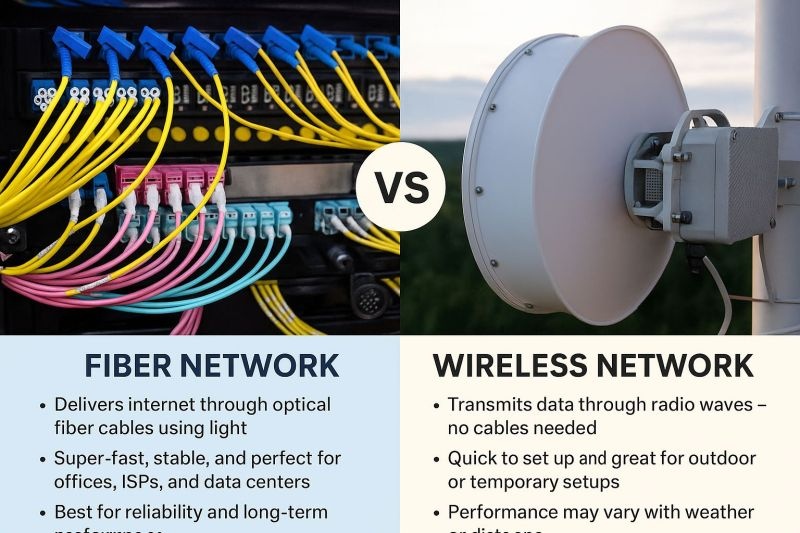
More expensive to set up, but you can have multiple shops on one line.
Using their line
If they have one, you can resell it. Whatever option you go for, make sure it is strong enough for how many people are sitting there at once.
Write a contract
Don’t go for a handshake if you are partnering with someone. A 1-2 page contract in simple English or Swahili will protect you both. Include what you will install, ownership, where it will go, and that they won’t move it. The percentage, how you will calculate it, and when you will pay. Who will deal with complaints, how quickly you’ll fix any issues, and how long they’ll keep the shop open and powered on. What you will do if the equipment gets stolen or damaged. How you will end the partnership (with notice).
Consider the rules for your business. As you are selling internet to the public, you need to consider the Communications Authority of Kenya. Find out if having partners changes what you need to do. Get this in writing.
Customer phone numbers and browsing history are personal data. Keep this on you. Don’t let the host's staff have access. Follow Kenya’s data protection rules. The hosts shouldn’t be liable for what the customers do online. Put this in your contract. Keep your own logs following the rules. Make sure your billing and login page looks professional. Have your name, the shop name, your prices, and your support number.
How to do it
Don’t be tempted to sign up 10 shops. Pick three different types. One barber shop, one salon, and one eatery. Run them for 6-8 weeks. See how they perform. Keep track of the same stats for each site weekly. Passes sold, average price, repeat customers, complaints, and how many times you’ve been to fix an issue.
See which ones perform best. You will learn so much that you wouldn’t get from an article. Which ones close early, keep the router off, and what prices work?
Make them identical. Same kit, labelling, settings, and login page. Just change the shop name and support number. Create a small checklist for setting up and visiting. This means someone can help you. Keep some extra kit on a shelf. If they don’t have Wi-Fi, they won’t make any money.
Central Billing
All your routers should be reporting back to a central billing system. This way you will have one account with all your plans, vouchers, and money. You will want to know how much you are making from each shop so the split will be something you can view.
RADIUS has an identifier that tells the system what router they logged into. Many billing systems use this to show you stats per site. Noch Wired works with MikroTik routers using RADIUS.
As you scale, you will have some issues. The more sites you have, the more things can go wrong. You won’t be there all the time, so you will need to plan for having a technician or trained helper. You will also need to have some monitoring so you know when a site goes quiet. Ensure your main router, internet line, and RADIUS can handle the extra load. Think about backup power. If all your sites are on the same tower and the power cuts, they will all go down.
Prepare a list of five potential hosts. Visit them during their busiest time and see how many people are sitting there. Remove any that are hard to get a hold of. Choose the best three. Make a one-page offer. Calculate how much you can afford to pay based on the break-even calculation above. Take this to them.
It is better to have a logical partnership.
Start earning today with Noch Wired
Popular Posts